 Listicle
Best Security Camera Installation Northern Kentucky
Table of Contents
- Top Security Camera Installation Providers in Northern Kentucky
- Quick Comparison: Installation Providers
- Wired vs. Wireless Security Cameras: Which Fits Your Installation
- Home Security Camera Installation Cost: What to Expect
- Security Camera Placement Tips for Maximum Coverage
- Key Questions to Ask Your Security Camera Installation Professional
- How to Choose the Right Installer for Your Security System
- Conclusion
- Frequently Asked Questions
Last Updated: October 5, 2026
Top Security Camera Installation Providers in Northern Kentucky
Finding the right security camera installation provider in Northern Kentucky requires understanding what separates a solid installation from one that leaves blind spots in your coverage. The best security camera installation providers combine technical expertise with transparent pricing and local service accountability. We've evaluated the leading options in the region to help you make an informed choice.
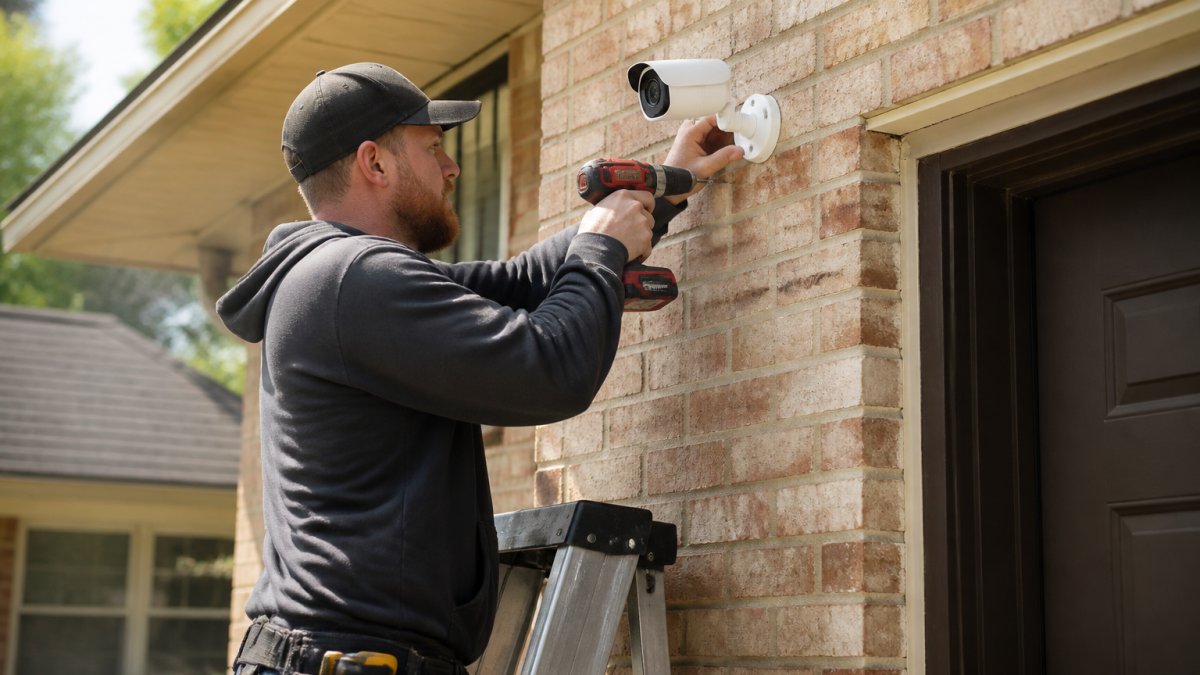
Integrity Home Technologies
Integrity Home Technologies has over 20 years of hands-on experience with security camera installation in Northern Kentucky. What sets this locally owned team apart is their refusal to oversell. You get a free expert assessment of your property, no obligation, no pressure to add features you don't need. Their installation work focuses on clean cable runs and proper weatherproofing.
The team specializes in low-voltage wiring. They handle wired, wireless, and PoE camera systems. Customers consistently mention their honest communication and willingness to explain trade-offs rather than just sell the highest-priced option.
For homeowners in Northern Kentucky who've had bad experiences with contractors before, Integrity Home Technologies offers a team that takes pride in the work itself, not just the invoice. Their 5.0 rating across 41+ Google reviews reflects that commitment.
Northern Kentucky Cameras
Their residential focus means they understand the specific challenges of home installations: protecting entry points, covering blind spots without excessive cameras, and keeping monthly monitoring costs reasonable. They operate locally, which translates to faster response times if something needs adjustment or repair.
CornerStone Protection
The combination of installation, repair, and monitoring appeals to people who value ongoing support. If a camera fails or you need to adjust coverage, you're calling the same company that installed it.
Backstreet Surveillance
Backstreet Surveillance positions itself as an installation support provider for both homes and businesses. They invite customers to request quotes, which means you'll need to contact them directly for pricing and specifics. Their dual focus on residential and commercial work suggests flexibility in handling different project scopes.
Quick Comparison: Installation Providers
| Provider | Service Focus | Key Strength | Best For |
|---|---|---|---|
| Integrity Home Technologies | Installation, smart home integration | 20+ years local experience, honest pricing, free assessment | Homeowners wanting transparent service and integrated systems |
| Northern Kentucky Cameras | Installation, monitoring, maintenance | Local coverage, continuous support | Customers preferring one vendor for all security needs |
| CornerStone Protection | Installation, repair, 24/7 monitoring | Bundled services, free consultation | Homeowners wanting centralized support |
| Backstreet Surveillance | Installation support, residential & commercial | Flexible project scope | Customers comfortable requesting custom quotes |
Wired vs. Wireless Security Cameras: Which Fits Your Installation
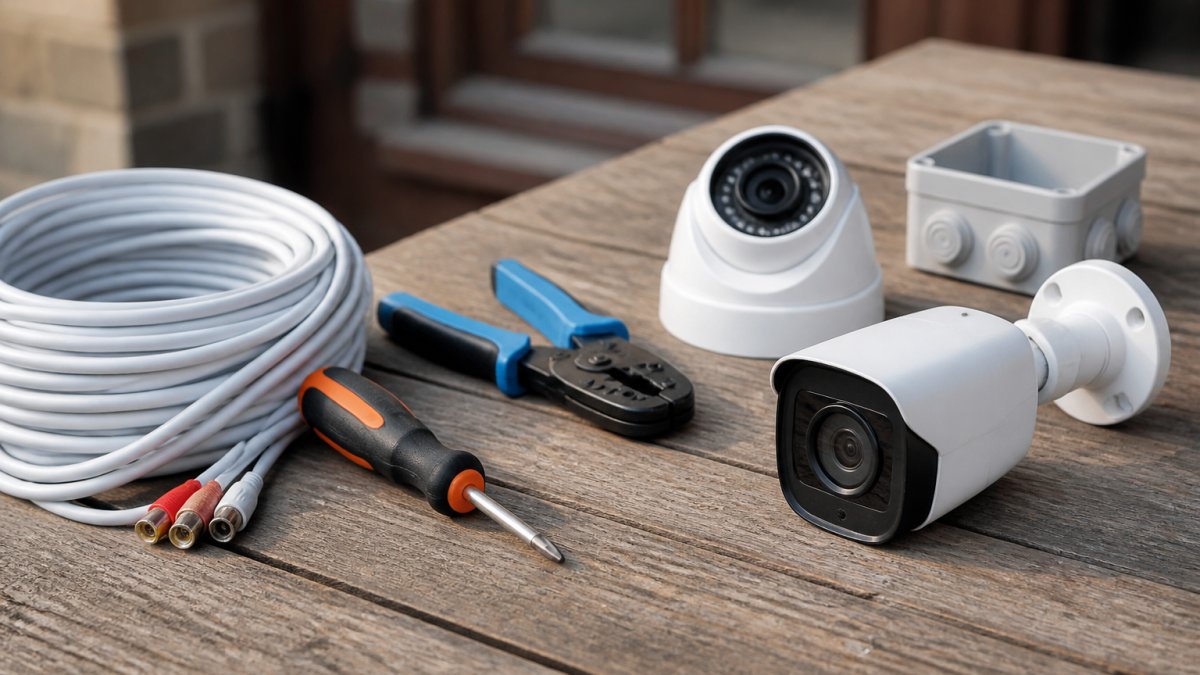
The choice between wired and wireless cameras determines your installation timeline, ongoing reliability, and total cost. Wired cameras require running cable through walls or conduit but deliver consistent power and video without WiFi dependency. Wireless cameras offer flexibility in placement but depend on your network strength and require battery management or power adapters.
Wired cameras excel when you want zero interference and permanent placement. A professional installation runs cables cleanly, behind walls, through attics, or in conduit along exterior lines. Once installed, you don't worry about WiFi drops or battery life. The upfront labor is higher, but you eliminate ongoing maintenance headaches.
Wireless cameras shine when you want to test coverage before committing to permanent installation or when running cable isn't practical. They're easier to relocate if your security needs change. The trade-off is WiFi reliability, a weak signal in your backyard means dropped frames or disconnections. Batteries need replacing or charging, adding maintenance. For renters or anyone hesitant about drilling holes, wireless is the practical choice.
PoE (Power over Ethernet) cameras split the difference. They run on a single Ethernet cable that delivers both power and video data. This eliminates the need for separate power adapters and reduces cable clutter. PoE systems are more expensive upfront but offer professional-grade reliability with less physical installation complexity than traditional wired systems.
Home Security Camera Installation Cost: What to Expect
Installation costs vary based on the number of cameras, cable routing complexity, and whether you're integrating with existing systems. A single outdoor camera with straightforward wiring might take 2-3 hours. A four-camera perimeter system with cable runs through walls or conduit typically requires a full day or more.
Labor represents the bulk of installation expense. Material costs, the cameras themselves, cables, connectors, and mounting hardware, are secondary. A professional installer who takes time to route cables properly and secure connections will cost more than someone rushing through the job, but the difference shows up in reliability and longevity.
When comparing quotes, confirm what's included: Does the price cover camera equipment, or just labor? Are they running new cable or using existing runs? Will they integrate with your WiFi, or install a dedicated security network? These details separate a cheap quote from a fair one.
Security Camera Placement Tips for Maximum Coverage
Effective camera placement prevents blind spots that burglars exploit. Start by mapping your property's entry points, doors, windows, garage, and identifying natural sightlines from the street or neighboring properties.
Entry points need direct coverage. A camera aimed at your front door should capture faces clearly enough for identification. Side and back doors require the same attention. Don't assume a single camera covers multiple doors; angle matters. A camera mounted high and angled down misses faces; one at eye level captures better detail.
Perimeter coverage prevents someone from approaching without being seen. Cameras positioned at corners of your home create overlapping views. A gap between cameras is an opportunity. If you can walk from your driveway to your back door without appearing on any camera, you've found your blind spot.
Lighting affects image quality. A camera facing a bright window washes out the image. Backlighting (light behind the subject) creates silhouettes. Position cameras so light comes from the side or behind you, illuminating the subject's face. If you're installing at night, test the view during daylight to confirm you're not creating glare issues.
Height and angle determine what you actually see. A camera mounted 8 feet high captures wide area but loses facial detail. One at 6 feet captures faces better but covers less ground. For identifying people, prioritize height that captures faces; for documenting activity, prioritize coverage area.
Key Questions to Ask Your Security Camera Installation Professional
Before hiring an installer, clarify these points to avoid surprises and misaligned expectations.
What camera types do you recommend for my property, and why? A good installer explains the trade-off between wired, wireless, and PoE based on your specific layout. If they push one type without explaining why, that's a red flag.
How will you route cables, and what does that entail? Ask whether cables run inside walls, through attics, or along exterior surfaces. Understand the labor involved and what it costs. This is where honest installers distinguish themselves, they explain options and let you choose.
What happens if I need to add or relocate cameras later? A professional installation leaves room for expansion. Ask how easy it is to add a camera without major rework.
Do you handle integration with my existing systems? If you have smart home devices or existing security equipment, confirm the installer can make everything work together. Some installers specialize in integration; others just install cameras and leave you to figure out the rest.
What warranty covers the installation and equipment? Understand what's covered and for how long. Does the warranty transfer if you sell the home?
Can you provide references from recent installations? Ask to speak with homeowners who had similar projects. Their experience reveals a lot about the installer's reliability and communication.
How to Choose the Right Installer for Your Security System
Start by verifying local service. An installer claiming to serve Northern Kentucky should have clear coverage in your specific city or neighborhood. Integrity Home Technologies, for example, explicitly serves Newport and the broader Northern Kentucky region.
Check credentials and licensing. Low-voltage work in some jurisdictions requires specific licensing. Verify your installer holds relevant certifications.
Read recent reviews, but read them carefully. A 5.0 rating with 41+ reviews (like Integrity Home Technologies) carries more weight than five 5-star reviews. Look for patterns: Do customers mention honest communication? Do they praise the quality of cable work? Do they say the installer explained trade-offs? These details reveal character.
Request a site visit and estimate. A professional installer will visit your property, assess cable routing, discuss your coverage needs, and provide a detailed quote. They'll ask questions about your priorities, do you want identification-quality footage, or just activity documentation? This conversation shows whether they're thinking about your actual needs.
Compare quotes, but not just on price. A lower quote might mean cutting corners on cable routing or using cheaper components. A higher quote might reflect better craftsmanship or more thorough integration. The difference between a cheap installation and a professional one often shows up months later when the system fails or doesn't work as expected.
Conclusion
Choosing the right security camera installation provider in Northern Kentucky comes down to three factors: local expertise, honest communication, and professional workmanship. Integrity Home Technologies combines 20+ years of hands-on experience with a commitment to transparent pricing and customer-first service. They offer a free expert assessment of your property, handle wired and wireless systems, and specialize in low-voltage work. If you're ready to secure your home with a system that actually works, get a free estimate from Integrity Home Technologies and see how their approach differs from the rest.
Frequently Asked Questions
Should I hire a professional to install security cameras?
Professional installation ensures cameras are positioned correctly for maximum coverage, wiring is concealed safely, and systems integrate properly with your home network. A professional installer assesses your property, identifies blind spots, and handles complex tasks like running cables through walls or integrating multiple camera brands into one system. Many homeowners attempt DIY installation but find that professional placement and configuration deliver significantly better results and long-term reliability.
How much does professional security camera installation cost?
Installation pricing depends on the number of cameras, whether you choose wired or wireless systems, cable routing complexity, and integration with existing smart home systems. A single camera installation may cost less than a multi-camera system requiring extensive wiring. Contact local installers for a free estimate tailored to your property. Integrity Home Technologies offers free estimates to help you understand costs before committing to any work.
Are wired or wireless security cameras better for a home?
Wired cameras provide consistent power and stable connections but require professional installation to run cables through walls. Wireless cameras are easier to install and relocate but depend on Wi-Fi strength and battery life. Wired systems typically offer better reliability for permanent installations, while wireless suits temporary setups or renters. Professional installers can assess your home's layout and recommend the best option for your specific needs.
What should I look for in a security camera installer?
Choose an installer with local experience, proper licensing, and a track record of quality work. Verify they understand your specific camera brand, can integrate multiple systems if needed, and offer ongoing support. Ask about their experience with your home's layout and whether they handle both residential and commercial installations. Check reviews and ask for references. An experienced installer should provide a detailed assessment before quoting and explain why they recommend specific solutions.
Can a professional installer integrate cameras from different brands?
Yes, experienced installers can often integrate multiple camera brands into a unified system, though this requires technical expertise and compatible recording or management software. Rather than replacing existing cameras, a professional can assess what you have and determine whether integration is practical or if a mixed system makes sense. Some brands integrate more easily than others. Discuss your existing equipment with your installer before scheduling work to avoid costly rework.