 Ultimate guide
What Does Professional Smart Home Installation Cost?
Last Updated: November 5, 2026
Quick Summary
Professional smart home installation costs depend on the number of devices, the wiring each room needs, and how much custom programming the system requires. Pricing is project-specific, so the scope of work sets the price rather than a flat rate.
- Labor is usually the largest single line on a professional installation invoice.
- Basic, mid-range, and whole-home systems differ mainly in scope.
- Older wiring and wall construction can add labor hours to a project.
- Buying the cheapest devices first can lead to paying twice when expanding.
- Ask installers to separate labor and equipment so quotes can be compared fairly.
Table of Contents
- What Professional Smart Home Installation Costs Today
- Smart Home System Cost by Tier: Basic, Mid-Range and Whole-Home
- Smart Home Installation Labor Cost: Hourly Rates and Flat-Fee Pricing
- Smart Lighting Installation Cost: Switches, Dimmers and Outdoor Circuits
- Professional vs DIY Smart Home Installation: Where the Money Goes
- Room-by-Room and Home-Size Cost Estimates
- Comparing Installer Quotes and Ongoing Costs Before You Sign
- Booking Your Free Smart Home Estimate
- Frequently Asked Questions
What Professional Smart Home Installation Costs Today
Professional smart home installation costs depend on the number of devices, the wiring each room needs, and how much custom programming the system requires. At Integrity Home Technologies, we install smart home, security, and low-voltage systems across the Greater Cincinnati and Northern Kentucky area, and the same question comes up in nearly every consultation: what will this actually cost?
Pricing for a professional smart home installation is always project-specific, and we do not publish fixed price ranges. A few smaller upgrades, such as a single smart lighting zone, cost far less than a whole-home system with networking, cameras, audio, and automation. The honest answer is that the scope of work sets the price, not a flat rate.
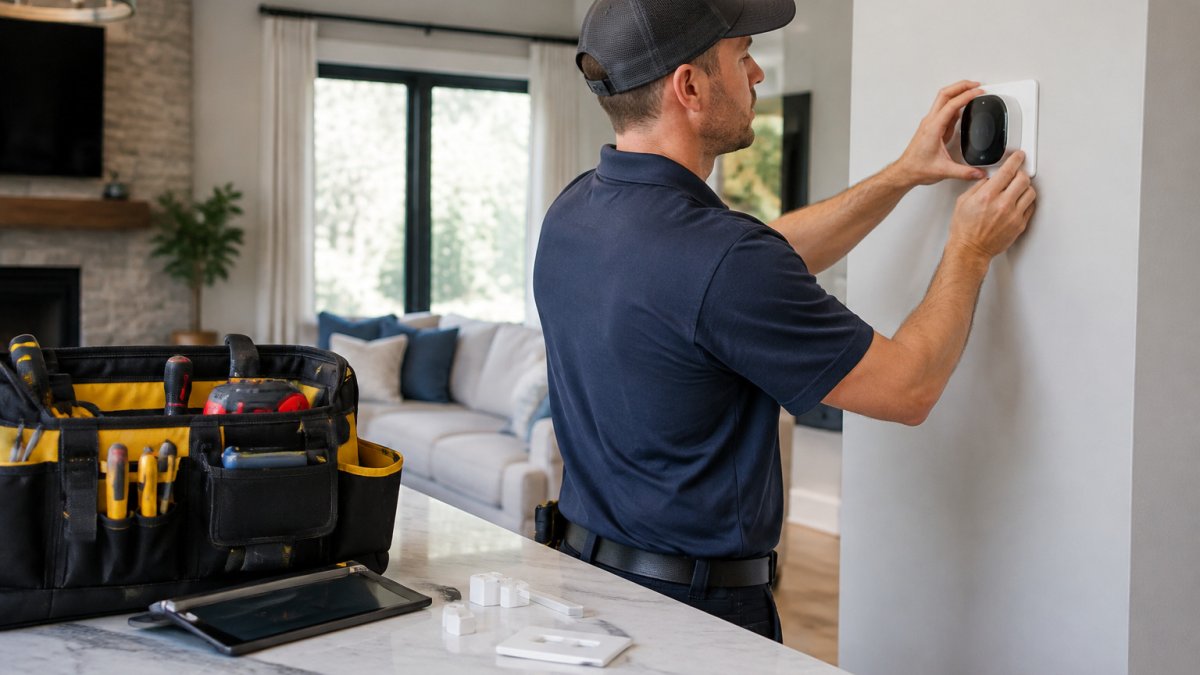
Many homeowners underestimate how much of the bill is labor. Mounting equipment, running and terminating cable, configuring each device, and testing the full system take hours, and those hours scale with the size of the home. Pricing depends on quantity, the age of the wiring, and the number of rooms involved, so the quickest way to get an accurate figure is a site assessment.
We recommend that you visit our website for current pricing details or to request a quote, since the right number depends on what you want the system to do.
Smart Home System Cost by Tier: Basic, Mid-Range and Whole-Home
Smart home systems generally fall into three tiers, and the difference between them is mostly scope. A basic setup might cover a few smart plugs, a video doorbell, and a smart thermostat. A mid-range system adds connected lighting, a networked security camera setup, and a central control point. A whole-home system integrates lighting, climate, security, audio, networking, and automation across every floor.
Each tier builds on the one below it. Wiring a home for future expansion costs more upfront but avoids opening walls later. A whole-home project usually requires structured cabling and a dedicated network, which is why it is priced as a larger engagement rather than a collection of individual devices.
Watch out: buying the cheapest devices first can lead to paying twice when devices from incompatible ecosystems require a second hub or replacement as you expand.
Smart Home Installation Labor Cost: Hourly Rates and Flat-Fee Pricing
Labor is usually the largest single line on a professional smart home installation invoice, and it is the line homeowners understand least. Residential installers commonly bill in one of two ways, but the exact billing structure depends on the project and is detailed in your written quote. Flat-fee pricing is quoted for a defined scope of work, and it works best when that scope is fully specified before work begins.
Ask any installer to break the labor portion into its component parts so you can compare quotes apples to apples. A professional quote should separate:
Smart Lighting Installation Cost: Switches, Dimmers and Outdoor Circuits
Smart lighting is one of the most popular starting points for a smart home. The cost depends on whether you are replacing existing switches with smart switches or dimmers, adding smart bulbs to existing fixtures, or wiring new outdoor circuits. Replacing a switch in an existing wall box is generally less work than running new cable.
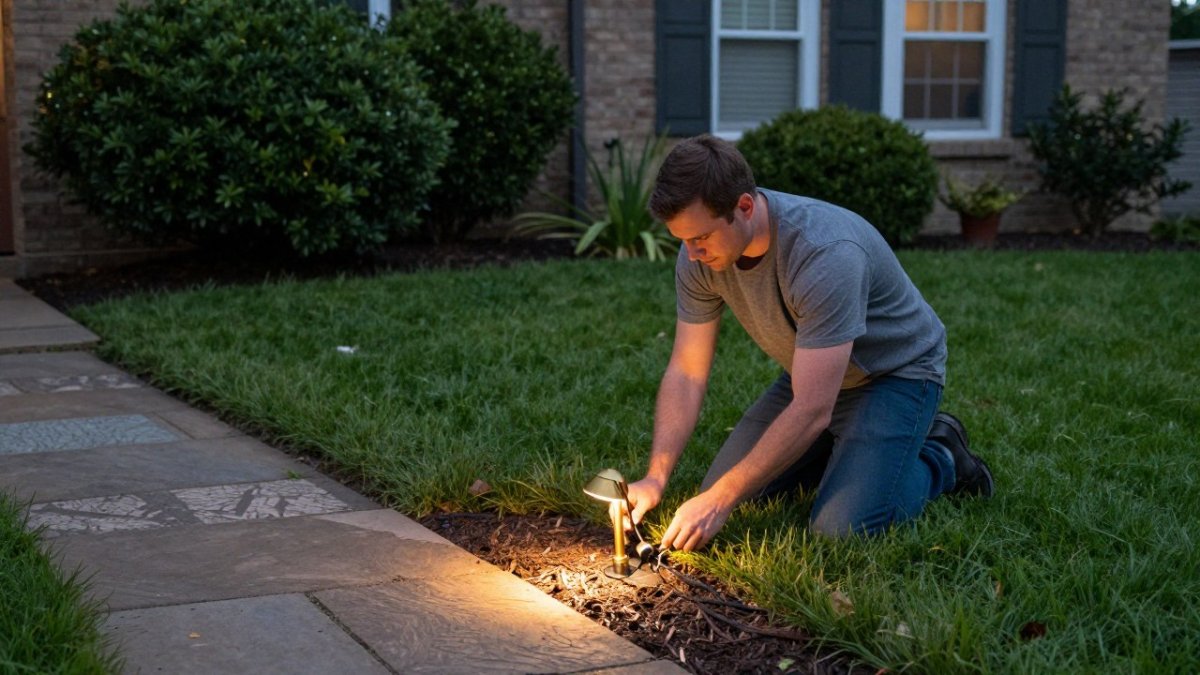
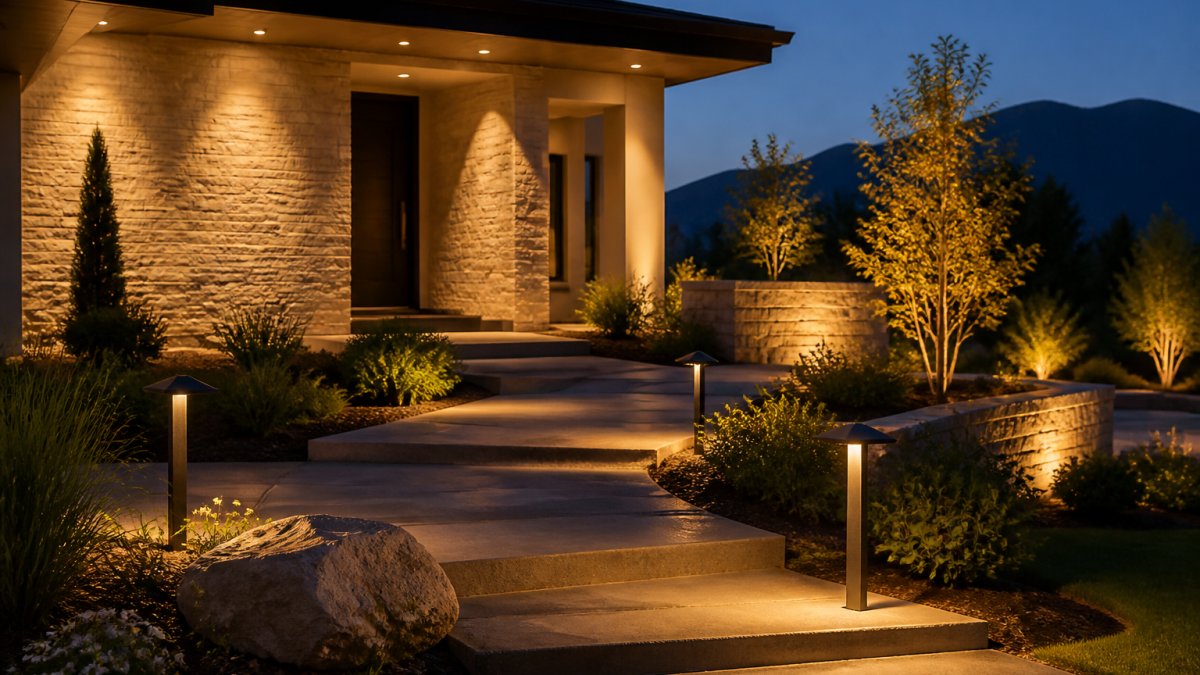
Outdoor lighting adds complexity. Exterior circuits need weather-rated equipment, proper grounding, and sometimes new runs of cable across a yard or deck. Holiday and landscape lighting integrated into the same control system is a common request, and it is best planned during the same visit as the rest of the project.
Professional vs DIY Smart Home Installation: Where the Money Goes
Many homeowners can install a single smart plug or a battery-powered camera without help. The cost difference appears when a project involves wiring inside walls, networking, or integrating several brands into one system. A DIY installer may save on labor but can spend many hours troubleshooting connectivity, and mistakes in low-voltage wiring can be costly to correct.
A professional installation shifts the expense toward labor and planning. The homeowner pays for expertise rather than trial and error.
Room-by-Room and Home-Size Cost Estimates
Whole-home averages hide the real decision: which rooms you automate first, and how much each one adds. A practical way to budget is to price a few common room packages and then scale up. The figures below are planning ranges for professional installation, equipment plus labor, and actual quotes will move with your wiring, wall construction, and device brand.
Ask for a room-by-room breakdown during your assessment. That breakdown shows which upgrades add the most value to your specific home and lets you phase the project.
The article's planning approach is to price common room packages and then scale up, with the ranges depending on wiring, wall construction, and device brand.
| Factor | Effect on price | Note |
|---|---|---|
| Number of devices | Raises total cost | Scope sets the price, not a flat rate |
| Age of wiring | Affects labor | Older wiring can add work |
| Number of rooms | Scales the project | Quantity drives labor hours |
| Wall construction | Affects labor | Changes how cable is run |
| Device brand | Affects equipment cost | Varies by quote |
Comparing Installer Quotes and Ongoing Costs Before You Sign
When comparing quotes, check whether each one includes the same scope: the same number of devices, the same wiring, the same network work, and the same testing.
Also ask about ongoing costs. Some devices require paid subscriptions for cloud storage or advanced features, and some systems need updates or replacement batteries. A system that is easy to expand and maintain usually costs less over its lifetime than one that forces a replacement when you add a new device.
Watch out: a quote that seems unusually low often omits cable runs, network equipment, or programming time that the installer will bill later as extras.
Booking Your Free Smart Home Estimate
The most reliable way to understand your smart home installation cost is a free assessment. We will review your home, discuss what you want the system to do, and help you plan the next steps. Visit our website to request your free estimate and start planning your project with Integrity Home Technologies.
Frequently Asked Questions
How much does a smart home installation cost?
Costs depend on how many devices are installed, whether wiring must be run, and how many hours the installer spends on the job. Integrity Home Technologies does not publish fixed prices for this work because every home is different. A free assessment lets the team review your layout and needs. Contact the company for a quote tailored to your property.
Is professional smart home installation worth the cost?
For systems that involve low-voltage wiring, networking, security cameras or multi-zone audio, professional installation usually produces a more reliable result. Installers can plan cable routes, configure devices to work together and test the system before handoff. Simple plug-in devices such as smart plugs or a single bulb can often be set up by the homeowner. The right choice depends on how complex the system is and how much time you want to spend troubleshooting.
What should I ask a smart home installer before hiring them?
Ask whether the quote itemizes equipment, labor and any project fees, and whether the installer will explain each line item. Confirm that they service your specific city or county, not just the region in general. Ask how they handle devices you already own, such as cameras from other brands, and whether they will test the system with you. Request references or reviews, and ask how long they expect the installation to last before maintenance is needed.